Event ticket scams – how to buy tickets for events safely
17th August 2026
Event ticket scams – how to buy tickets for events safely
Download the plain text version of this blog here: Event ticket scams plain text version
What is a Ticket Scam?
Your favourite singer is coming to the UK to perform a gig for the first time in years. It’s a very popular singer and tickets are in high demand. You are very excited and a little bit panicky that you might not get the tickets. You don’t care what the cost is, you have to see that gig!
You don’t recognise the website you are buying the tickets on, but it looks safe. There’s no spelling mistakes and there’s lots of information. You got the website link from social media so it must be safe. Right? You rush to buy tickets before the gig sells out.
But two weeks later, the tickets still haven’t come in the post. You’ve tried to contact the company using the mobile phone number on the website but no one is replying to you.
Sound familiar?
Or maybe this sounds more familiar. You’ve bought tickets to a concert, show, festival or sporting event on a resale website. The digital tickets come to your email almost straight away. Everything looks okay. But when you go to the event, the ticket isn’t valid and the staff won’t let you in.
These are examples of ticket scams, or ticket fraud.
How do Ticket Scams work?
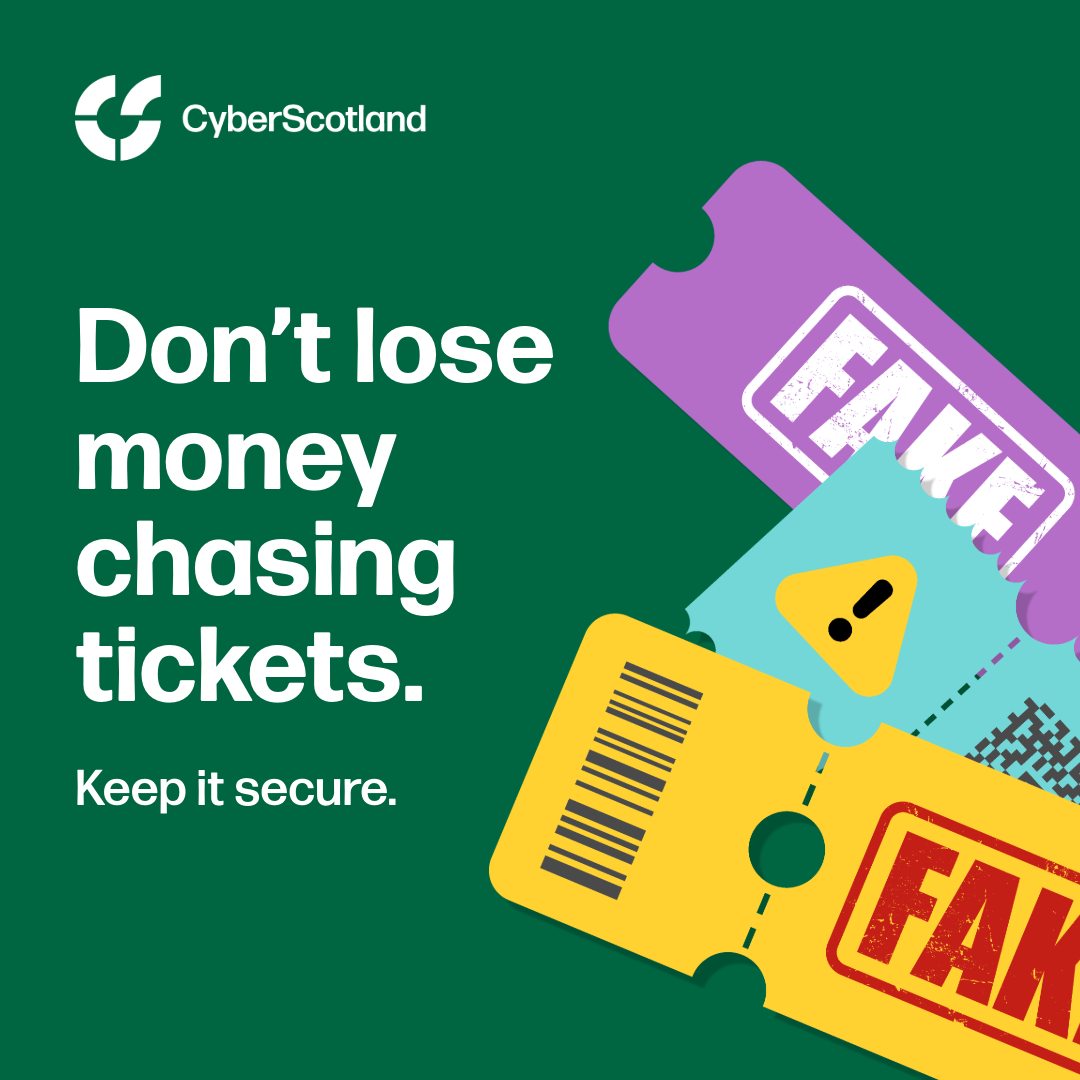
Criminals set up fake websites or social media profiles to sell tickets for events. But the tickets are fraudulent or don’t exist. The websites may look genuine and safe to use. Or they may even copy the website of a trusted ticket seller like Ticketmaster.
Criminals might have used images of genuine tickets to commit fraud. They can create fake posts or pages on social media to scam those looking for tickets. They may even get in touch via text, email, DM or message to advertise fake tickets.
They use tactics similar to phishing scams to trick and pressure you into buying a tickets. Look out a sense of urgency, sellers rushing you into making a decision, or something that feels too good to be true. Learn more about phishing scams here (BSL video), here (Easy Read) or here (My.Lead course).
Checklist to buying ticket safely
The most important thing you can do is take a breath and slow down. When we are overly excited or in a rush, it’s easy to miss the warning signs. So stop, step back and follow these steps.
→ Don’t follow a link on social media. Exit social media and search the event using your internet browser.
→ Look through your search results for the official website of the artist, venue or stadium, or ticket seller/booking platform. Remember that just because it’s the first search result, it doesn’t always mean it’s safe. Ticket scammers can promote their websites on your internet browser or search engine which puts them at the top of the page.
→ Check the website address or URL is safe by copy and pasting it into URL Void. Green means the website is safe to use. It is not safe to use if the result shows any colour that isn’t green. Or if there are more than 0 detections counts.
→ Search the name of the ticket seller or booking platform on the Society of Ticket Agents and Retailers (STAR) website. Reputable and trusted ticket sellers should be registered with STAR. Learn more about what STAR is and how it helps to keep you safe here.
→ (Optional) Ask Silver if the website you want to buy from is safe to use. Send a screenshot via WhatsApp, or copy and paste the website URL into Ask Silver online Scam Checker.
→ Buy your tickets using a secure method, never by using bank transfer. It is safer to use your credit card or a payment service like PayPal, Google Pay or Apple Pay.
→ Once you’ve got your digital or physical tickets, don’t post pictures of these on social media. Scammers may be able to steal your information or create fake tickets.
What to do if you buy a fake ticket
There are three things you can do to get support for yourself, and to help prevent this happening to others.
1. Contact your bank – they will be able to help with a fraud claim to see if it’s possible to get your money back.
2. Report to Police Scotland using this contact form, or call 101.
3. Report to Trading Standards by contacting Consumer Advice Scotland on 0808 164 6000or by filling in the form on their website here: Contact – Consumeradvice.
Speakers of BSL can contact Police Scotland and Consumer Advice Scotland by using Contact Scotland BSL.
More on Ticket Scams/Accessible Learning
For more advice on cyber scams or keeping yourself safe online, see our other accessible resources:
- British Sign Language Videos
- Easy Read & accessible resources
- Community languages
- My Lead – online learning platform
- Digital.Lead – personal digital safety checklist
Or head to CyberScotland for more advice and guidance.
Please note: Lead Scotland is not liable for any damages arising from the use or inability to use the guidance that we provide in our website, training or provided in our other services. Lead Scotland is not liable for any action or decision taken as a result of using our website or our services. Lead Scotland provides links to other websites. Lead Scotland is not responsible for the content of external websites.
🛡️ Cyber Tuesday 🌐
Get more Cyber tips every Tuesday by following us on social media. Find us on:
Facebook @LeadScotland
Instagram @leadscotland
X (previously Twitter) @leadscot_tweet
or LinkedIn @LeadScotland.
For organisations
Lead Scotland are committed to delivering high quality, accessible, and free digital skills and cyber training, especially to disabled people, carers, marginalised groups, and organisations that work with these groups. Let us know what you are interested in and we can organise a session (or more) to make sure you, or the people you support, are safe online. Register your interest in this online form.
Or get in touch for a chat by emailing us at cyberproject@lead.org.uk